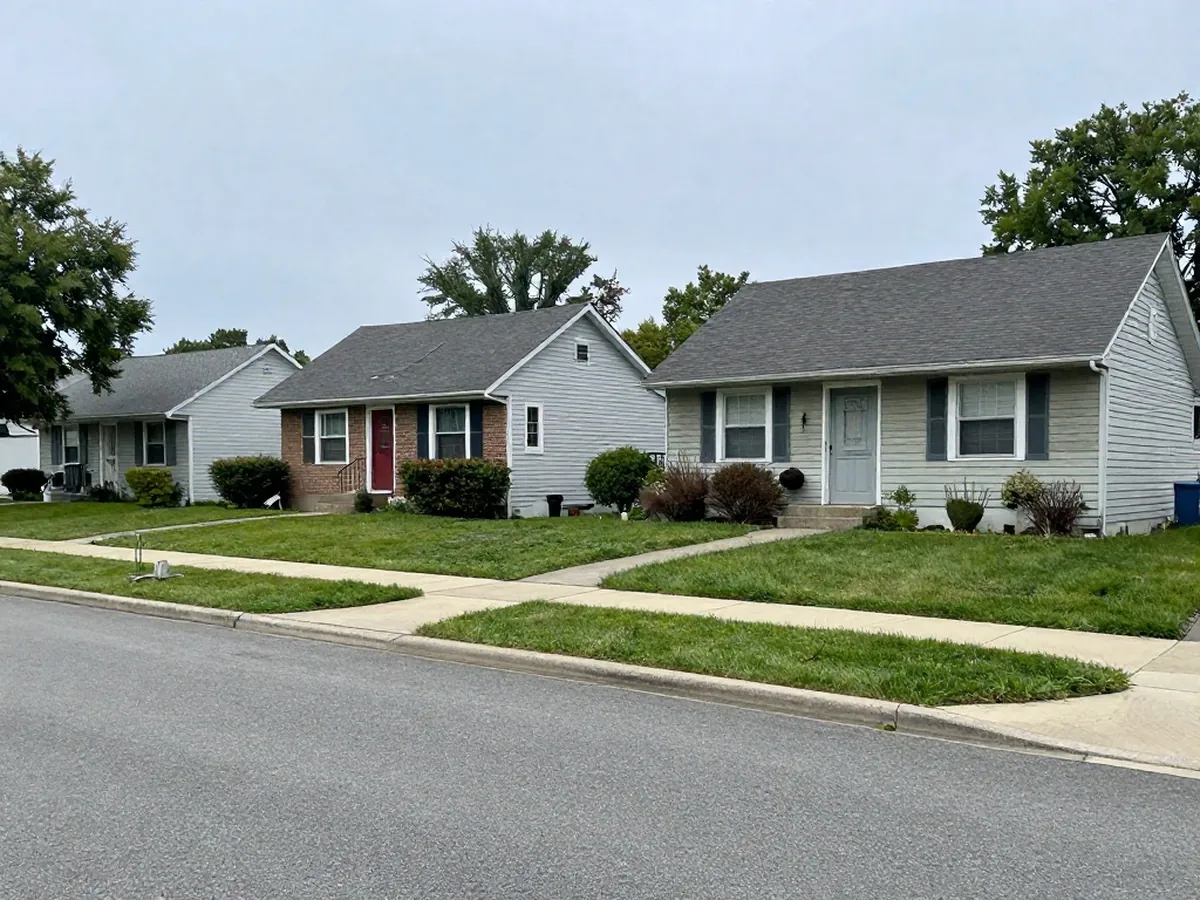
Winter leaks at the eaves near Clark
Ice Dam Leaks in Clark, NJ
Icicles on the eave and a wet patch on the ceiling inside? Ice dam leaks in Clark, NJ show up after snow, a cold snap and heat escaping into the attic.
One step: call (732) 574-5073 with photos of the ice and the stain, taken from the ground or a window.
Read the ice before the call
Photograph the ridge of ice and the icicles from the ground.
Photograph the stain inside, with the date and the room.
Look at the attic hatch: is it cold and tight, or warm and drafty?
Note whether heat tape or a rake was used; it affects the conversation.
On a visit
Call (732) 574-5073, mention the ice at the eave and the stain indoors, and ask what the contractor's schedule looks like for a visit.
The eave and the roof edge, for lifted shingles, damaged flashing and water damage.
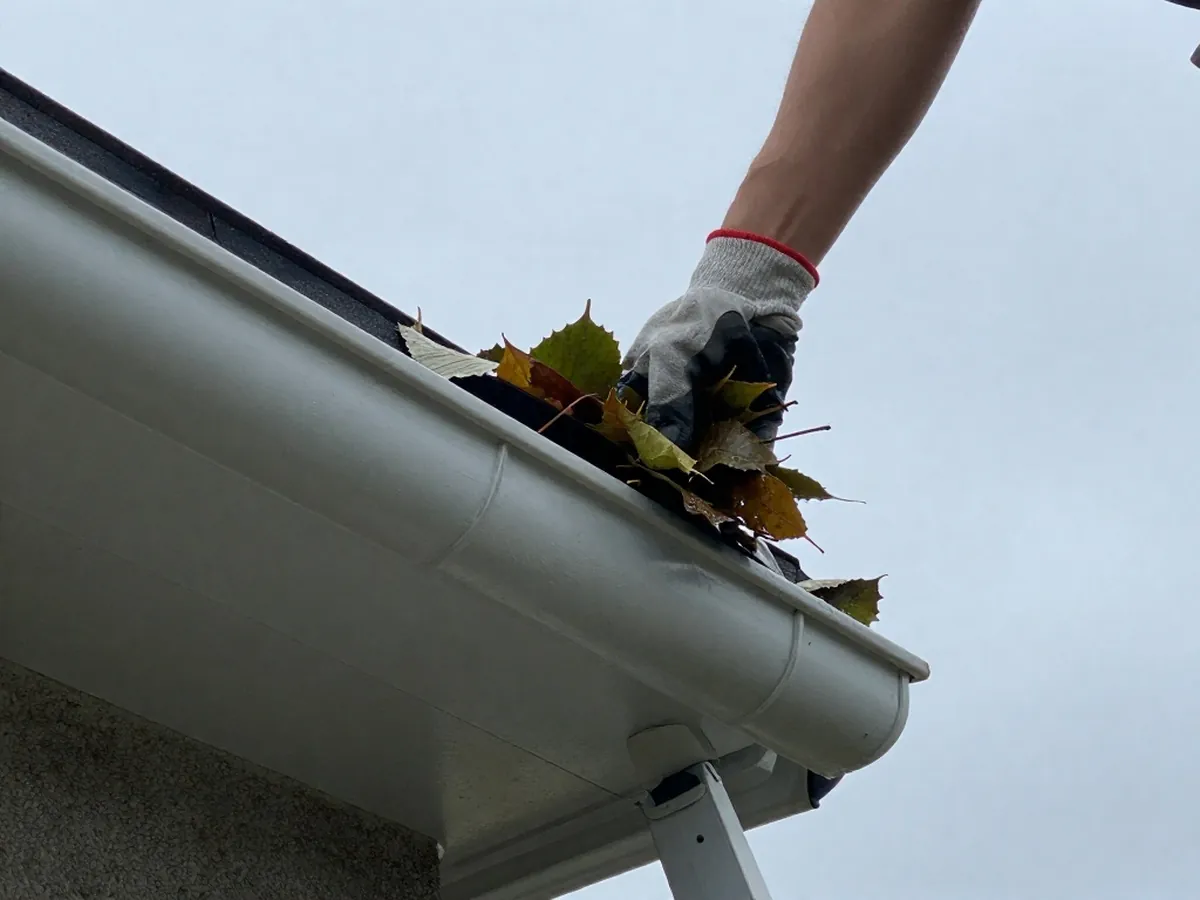
Gutters and downspouts, for ice and for debris that holds water against the roof.
The attic: insulation, hatch, light fixtures and vent openings where warm air leaks upward.
Wet insulation and stained boards, which show how long water has been getting in.
Repair options for the damage, and what can wait until the ice melts.
Leave the room first if
- Heavy icicles hang above a door or walk: keep people from standing beneath them, and dial 911 if one falls on someone.
- Water is dripping through a light fixture: step out and phone 911 from a dry room.
- A ceiling is bulging with trapped water: nobody stays under it. Dial 911.
- Never climb an icy roof or chip at the ice. Dial 911 if someone has fallen.
Short answers
- How loud is an ice dam, 1 to 10?
- Loud, 8 to 10: ice over a doorway, a bulging ceiling or a wet fixture. Clear the area and phone 911. Middling, 4 to 7: water is already staining a ceiling. Dial (732) 574-5073 to ask about a visit and photograph the stain. Quiet, 1 to 3: icicles but a dry interior. Watch and keep photos.
- What actually causes an ice dam?
- UMass researchers say melted snow refreezes at the roof edge. Warmth from the house heats the deck, the snow melts, and the water freezes again where the roof is cold. The University of Minnesota's extension adds that in many homes the major heat source is warm indoor air reaching the attic through gaps.
- Is raking the roof a good idea?
- Minnesota's extension says a roof rake and push broom can remove snow but may damage roofing materials. For an emergency with water flowing into the house, it describes cutting channels through the ice so water can drain. Neither is a substitute for sealing attic air leaks.
- Does this cover Cranford and Linden too?
- Yes. See Cranford roofing notes and Linden roofing notes. Newark's normals, the closest station in the weather service tables, put February snow at 10.1 inches, a little above January's 9.1.
Winter problems that overlap
Wet drywall near an eave is covered in roof repair. Ice that packs a gutter belongs with gutter repair. A stain at the chimney in winter may be a flashing problem.
Signs to look for
- A band of ice built up along the roof's lowest edge
- Long icicles hanging beside the gutter
- Water stains on ceilings or walls along an outside wall
- Damp insulation or a musty smell in the attic
- Peeling paint or damp drywall near an exterior corner
From the first icicle to the spring repair
First comes the cold snap and the snow. UMass notes that an inch or two of snow can start a dam if the roof is poorly insulated and air sealed.
Then the stain appears inside, often along an exterior wall.
The contractor looks at the eave and the attic side. The winter response is mostly about stopping water from entering, not rebuilding.
The longer plan is sealing attic air leaks and adding insulation, which both sources put ahead of anything done on the roof.
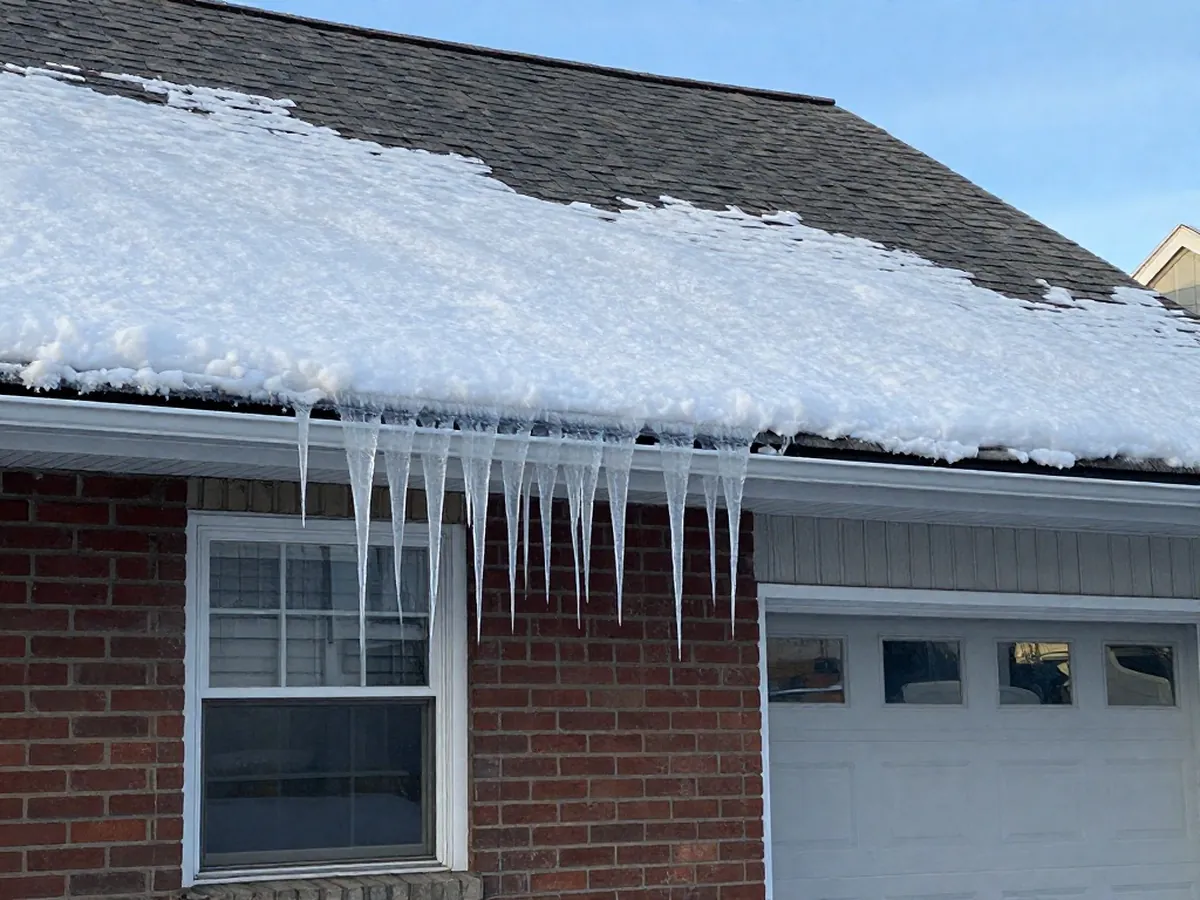
Ice at the edge of a snowy roof
Photo: a thick band of ice and a fringe of icicles along the lowest edge of a roof under snow.
That edge is the coldest part of the roof. Water melted higher up runs down under the snow and freezes there.
The state's rule on ice membranes
New Jersey's Bulletin 07-3 points to the building and one- and two-family subcodes, which call for an ice dam membrane or ice barrier in the underlayment and flashing sections. A new roof is the moment that matters; ask the contractor and the town's building office. See the contractor checks page.
Ask about a visit
Keep the address, a rough roof age and a few ground-level photos nearby, then call (732) 574-5073. Tenants hand the owner a dated photo first. Towns: Clark, Cranford and Linden.